
Short answer: Paraguay is a small, stable, investment-grade economy (Moody’s Baa3 and S&P BBB-), with 10% tax on almost everything and an Asunción property market yielding 6–9% gross on rent. A foreigner can buy property and land without residency, place money in certificates of deposit or bonds with interest exempt from personal tax, or set up a company taxed at 10%. Since 2026, moreover, $200,000 in an income-producing property or in financial instruments buys direct permanent residency through the Investor Pass. What the brochure leaves out: liquidity is low, legal certainty requires your own notary and a title check, and whatever you invest here is taxed here, if lightly. This guide is about where the money actually goes and what it costs.
Why Paraguay attracts capital, and how much of it is true
The verifiable part: Paraguay earned investment grade from Moody’s (Baa3) in July 2024 and had it reaffirmed in July 2026 with a stable outlook; S&P rates it BBB- and Fitch BB+ with a positive outlook, one notch below. Two decades of growth above the regional average, moderate public debt, inflation contained by a central bank with a targeting regime since 2011 and a guaraní that has strengthened against the dollar in 2026. Cheap, clean electricity (Itaipú and Yacyretá), fertile land, and a simple tax regime: IRE 10%, VAT 10%, IRP 8–10%, no wealth tax and no national inheritance tax.
The part that needs qualifying: it is a small market (about seven million people), an economy still tied to soy, beef and energy; liquidity in almost any asset is low; perceived corruption ranks high in international indices; and the registries are slow. None of that invalidates the investment. All of it requires more care than Madrid or London.
Real estate in Asunción and around it
Where most foreign money goes. Asunción is in a long construction cycle: residential towers in Villa Morra, Recoleta, Carmelitas, Las Lomas and along Avenida Aviadores del Chaco; offices on the same axis; and second homes in San Bernardino, by Lake Ypacaraí, and in Luque, near the airport.
Prices. In prime Asunción, $1,400–2,500 per square metre for new builds; a one-bedroom flat runs $60,000–110,000 and a two- or three-bedroom $110,000–250,000. Outside those areas and in cities like Encarnación or Ciudad del Este, considerably less.
Yields. On long-term rental, 6–9% gross; short-term can do more with more management. Deduct property tax, VAT on rent, IRP, management and vacancy: the realistic net is 4–6%. Appreciation has been moderate and in dollars; do not buy here expecting Lisbon’s cycle.
How you buy. With a passport, before a notary (escribano), registered at the Public Registry. Transaction costs (notary, registration and transfer taxes) sit around 3–5%. The only limit on foreign ownership is the 50-kilometre border security strip of Law 2532/2005, which affects rural property owned by nationals of neighbouring countries; Europeans and North Americans are not affected. Property tax is municipal, around 1% a year on a fiscal value well below market.
What a prudent buyer checks. Registered, unencumbered title; that the seller is who they claim; off-plan, that the trust or developer company exists and holds permits; and your own notary. For the Investor Pass, that the property is rented out or used for an economic activity: your own home does not count.
Financial instruments: CDAs, bonds and the exchange
For those who want income without managing a property. Certificates of deposit (CDAs) from banks and finance companies pay above the central bank’s policy rate in guaraníes and less in dollars; Treasury bonds and corporate issues trade on the Asunción Stock Exchange, and there are mutual and investment funds regulated by the securities commission. Interest on bank deposits and public securities is exempt from IRP for individuals (article 56 of Law 6380/2019), which makes this the cleanest route fiscally for a resident.
The risks are two and obvious: exchange rate, if you invest in guaraníes and think in euros or dollars, and issuer solvency, which you read in local ratings and central bank supervision. The deposit guarantee fund covers a modest limit. Spread across institutions and maturities.
For the Investor Pass, the financial track requires $200,000 held for at least two years with an annual report. It is the most passive way to get permanent residency, and the one most dependent on your accepting that capital inside the Paraguayan system.
Starting a company, or investing in one
Paraguay competes with a simple formula: IRE at 10% on Paraguayan-source profit, IDU at 8% on dividends to residents (15% to non-residents), VAT at 10%, and two incentive regimes, Law 60/90 (exemptions on capital goods and import duties for approved projects) and maquila (a single 1% tax on value added for producing and exporting). Incorporating an SRL or an EAS is cheap and fast through SUACE, which also channels the productive track of the Investor Pass ($70,000 and five jobs).
It makes sense if the business operates in Paraguay: produces, employs, sells domestically or exports from here. It does not make sense as a substitute for a US LLC to invoice European or American clients: a Paraguayan invoice sits awkwardly in a Frankfurt procurement system, dollar banking is more limited, and above all a Paraguayan company that holds your foreign structure is taxed on those dividends (article 6.4 of Law 6380/2019). The vehicle-by-vehicle comparison is in a company in Paraguay.
Farmland and cattle: the real thing
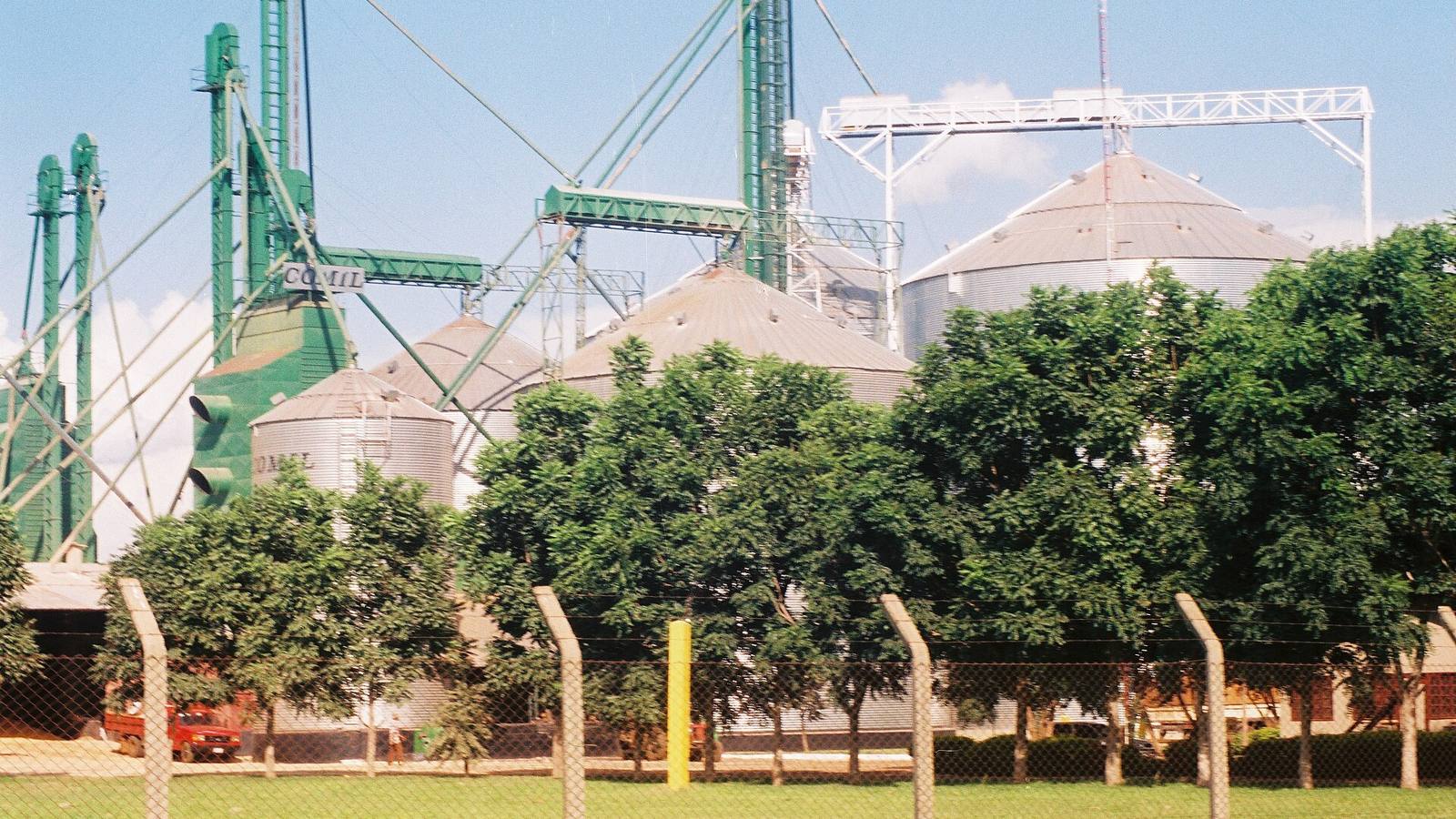
This is where Paraguay is genuinely big: among the world’s largest exporters of soy and beef, with land at prices Europe has forgotten and a Chaco that has become a cattle frontier. For an investor without sector knowledge, the sensible entry is not buying 500 hectares but partnering with a local operator with a track record: lease, sharecropping or a joint venture with someone already producing. Cycles are long, driven by commodities and weather, and logistics (Paraguay is landlocked; it exports by river) weigh on margins. Fiscally, agriculture has its own regime within the IRE plus rural property tax. As productive investment it can underpin the Investor Pass if the plan creates jobs.
What is taxed and what is not
The rule is the one running through the whole Paraguayan system: source. What the investment produces in Paraguay is taxed in Paraguay; what you hold abroad, as an individual, is not.
- Rent: IRP on capital income at 8%, plus 5% VAT on property rentals.
- Sale of a property: IRP at 8% on the gain, with the option of a presumed base of 30% of the sale price, which in practice leaves a low effective rate; confirm with your accountant for each deal.
- Interest on deposits and public bonds: exempt from IRP.
- Dividends from a Paraguayan company: IDU at 8% for residents; 15% for non-residents.
- Company: IRE at 10% on profit; VAT at 10% (5% on some goods and on property rentals).
- Property: municipal property tax, around 1% of fiscal value.
- Your investments outside Paraguay: outside the IRP for individuals (article 48 of Law 6380/2019). Do not put them inside a Paraguayan company.
And the other side: until you cease to be tax resident in your current country, all of this is reportable there (in Spain, form 720 above €50,000, wealth tax and personal income tax with treaty relief under the 2024 treaty; in the US, worldwide taxation regardless). The right order is residency first, investment second, or both in the same year and properly declared. See Paraguay residency from Spain.
Not sure how this applies to your case?
Eleven questions and we tell you whether the LLC fits, and if it does not, that too.
The risks that never make the brochure
- Liquidity. Selling a flat in Asunción takes months; selling land, longer. Do not invest money here you might need within a year.
- Title. A property’s chain of title can hold surprises; your own notary and a registry report are not optional.
- Currency. If your life is in euros or dollars and the asset in guaraníes, you hold a currency position whether it feels like one or not.
- Size. A market of seven million people absorbs less supply than some Asunción neighbourhoods are building. Look at real vacancy, not promised vacancy.
- Institutions. Slow registries, slow courts and high perceived corruption. Offset with clean paperwork and by never depending on a favour.
- Residency sellers. Part of the property on offer “for the Investor Pass” is overpriced because the buyer wants the cédula, not the flat. Buy as if there were no cédula.
How it sits next to the LLC and the residency
The architecture we build is always the same and each asset goes under the flag it belongs to. The LLC invoices the world, collects in dollars, and its profit is not taxed in Paraguay if the work is performed abroad; it is the company and banking flag. Paraguayan residency is the personal flag, and what you invest in Paraguay goes in your own name as a resident, not through the LLC (non-resident, and subject to withholding on Paraguayan income) nor through a local company that would also complicate what you hold abroad. And your global portfolio stays where it is, beyond the reach of the IRP.
If you have $200,000 and an economic use for them in Paraguay, the Investor Pass gives you direct permanent residency and skips the temporary stage. If not, temporary residency costs about $3,000 and reaches the same place; invest wherever the return is better, here or abroad. At Cheq we look at it with your case in front of us: we design the residency, the LLC and the banking, and with our of-counsel legal partners in Asunción we review the asset before you sign anything.
In short
- Small, stable, investment-grade country; 10% taxes and no national wealth or inheritance tax.
- Asunción flats at 6–9% gross (4–6% net), buyable without residency; CDAs and bonds with exempt interest; companies at 10%.
- What the investment produces here is taxed here (IRP 8%, 5% VAT on rent); what you hold abroad is not, if held personally.
- $200,000 producing income or held for two years buys direct permanent residency; your own home does not count.
- Low liquidity, title with your own notary, and buy as if there were no cédula.
Explore the full guide
Frequently asked questions
Can a foreigner buy property in Paraguay without residency?
Yes. There is no general restriction on foreign ownership: you buy with a passport before a notary (escribano) and register at the Public Registry. The only limit is the 50-kilometre border security strip (Law 2532/2005), which affects rural property owned by nationals of neighbouring countries. It does not apply to Europeans or North Americans.
What real yield does a flat in Asunción give?
On long-term rental, 6–9% gross depending on area and product; short-term can go higher with more management and vacancy. Deduct property tax, the 5% VAT on rent, the 8% IRP on income, management and empty months. The realistic net sits between 4 and 6%.
Is buying off-plan safe?
Asunción is full of cranes and has serious developers and others that are not. Check title to the land, registration of the trust or developer company, municipal permits and the delivery track record. And sign with your own notary, not the developer's.
Are my investments outside Paraguay taxed there?
As an individual, generally not: the IRP taxes Paraguayan-source income and article 48 of Law 6380/2019 confines capital returns to placements in the country. The exception sits in the corporate tax: a Paraguayan company that is a shareholder of a foreign entity is taxed on those dividends (article 6.4). That is why foreign investments are held personally, not through a local company.
Should I invest through my LLC or in my own name?
For a property or a portfolio in Paraguay, almost always in your own name if you are resident: the LLC is non-resident and its Paraguayan income would suffer non-resident withholding. For the international business, the reverse: the LLC invoices abroad and that income is not Paraguayan-source. Each asset under the flag it belongs to.
What about reporting at home while I am still tax resident there?
Until you cease to be tax resident in your current country, a Paraguayan property, account or portfolio is reportable there under its rules (in Spain, form 720 above €50,000 and the wealth tax; in the US, FBAR and FATCA). One more reason to sort out residency first and the investment second, or both in the same year with the returns in order.